

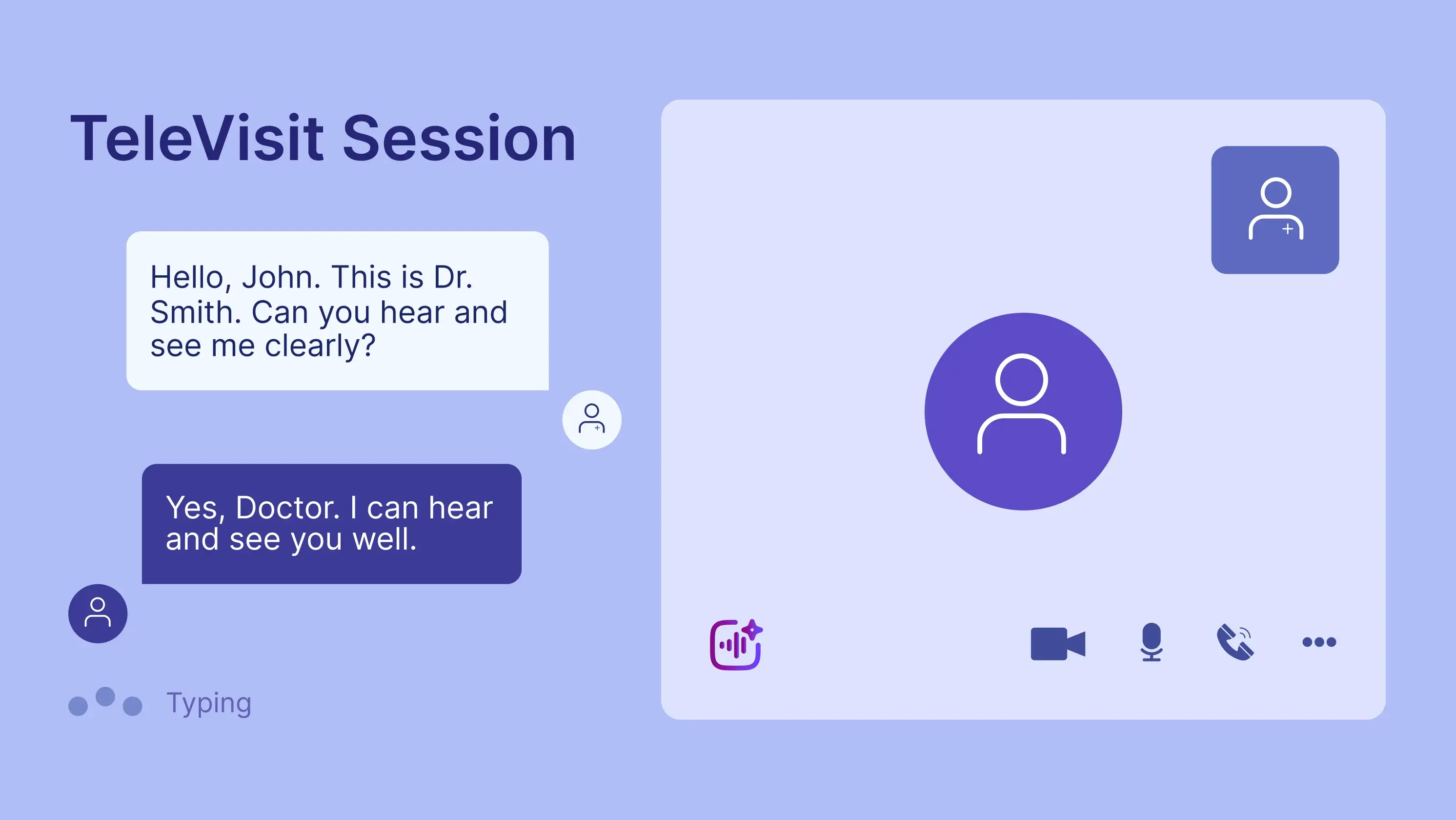
Key Takeaways
- Telehealth visits remove geographic barriers while supporting chronic disease management and timely follow-ups.
- Telehealth reduces the overhead expenses, decreases patient travel time, and redistributes workload to help alleviate physician burnout.
- Wearables, AI-powered documentation tools, and mobile EHR apps enhance real-time monitoring.
Not long ago, remote care was considered an added convenience. Today, it has become a cornerstone of modern healthcare delivery. The rapid rise in hospitals connecting physicians and patients virtually reflects a clear shift: telemedicine is no longer optional; it’s essential.
For physicians, telemedicine is more than a digital upgrade. It’s a practical, evidence-based clinical tool that strengthens care delivery. You see the daily pressure points firsthand: overcrowded waiting rooms, delayed appointments, and gaps in follow-up care. These bottlenecks don’t just strain your schedule; they impact patient outcomes.
Read on this blog to explore why telemedicine matters more than ever! How emerging trends are helping medical practices expand access and improve remote care for patients with limited mobility.
Why is Telemedicine Important?
The biggest advantage of telemedicine is that you are not glued to your clinic table all the time. You would have access to all the patient updates and relevant clinical details. Additionally, telemedicine has also made the availability of healthcare possible in rural areas. Limited mobility in such areas creates hurdles for the patients long before they ever see you.
Here’s why telemedicine is becoming a trend in the field of healthcare:
- Telemedicine improves access to care
- Clinical outcomes are better in telemedicine than in-person care
- It is cost-effective and reduces healthcare burden
- It enhances chronic disease outcomes
How Telemedicine Helps You and Your Patients Remotely
Telemedicine has a number of benefits to offer you and your patients. These benefits eventually enhance the overall progress of the medical practice. Here are a few telemedicine benefits that can help your practice provide quality virtual care:
1) Time and Cost Efficient
Did you know your patients can now replace the 2 to 4 hours of travel time with 30 minutes of a virtual meeting? Both will work the same way, but telemedicine makes the process more time- and cost-efficient.
Now your patients can easily cut off the unnecessary steps, including travelling, paperwork, and long waiting rooms. It’s not only the patients, but telemedicine is also playing a crucial role in alleviating physician burnout.
A 2024 study on telemedicine published in the International Journal of Medical Informatics revealed that telemedicine integration also helps in redistributing the workload among all staff members and alleviating physician workload. It has also been shown to reduce travel time and cost for patients.
2) Control of Infectious Diseases
One of the most quoted benefits of telemedicine is its ability to control infectious diseases. This might sound surprising, but have you ever wondered how germs and viruses multiply in the crowded and long waiting rooms of hospitals?
To avoid the spread of such infectious diseases was one of the reasons telemedicine was created. Even during the COVID times, telemedicine controlled the transmission of diseases and strained clinic resources.
A 2025 systematic review on telemedicine integration published in Cureus also endorses the direct link between telehealth visits and reduced infection risk.
3) Reducing Overhead Medical Expenditure
Integrating telemedicine into the medical practice reduces the physical infrastructure and in-office resources. With a telehealth platform, you don't have to spend thousands of dollars to set up exam rooms, a waiting room, and reception spaces. This eventually reduces the overhead medical expenditure on the provider’s side.
Economic studies also show that telemedicine reduces the direct and indirect medical costs, which can reflect reduced resource use and operational charges compared with traditional visits.
The reduced costs help the healthcare providers to invest more in telemedicine features and provide quality virtual care.
Emerging Telemedicine Trends Improving Remote Care
The latest trends in telehealth promote what clinicians care about most: optimal patient outcomes, clinic efficiency, and sustainable care delivery. Here are some emerging trends in telemedicine that help physicians improve remote care for patients:
1) Wearable Devices Transforming Healthcare
Remote monitoring is becoming an emerging trend in the healthcare industry. Research shows that around 40% of Americans have started to rely upon wearable devices to keep themselves and their physicians updated with their health status.
Continuous and real-time monitoring through wearable gadgets has revolutionised remote care. Now gadgets like smart watches, fitness trackers, and biosensors can track vital signs such as heart rate, blood pressure, oxygen saturation, blood glucose levels, and even ECG readings.
Such Wearable Gadgets include:
- Smart watches
- Bio sensors
- Fitness Trackers
- Wearable Blood Pressure Monitor
2) AI Integration Improving Remote Care
Artificial Intelligence is quietly becoming a co-pilot in remote care. While you are busy with your patient in the front screen, AI can scan the credentials in the background. You also don't have toes. Worry if you miss anything while taking notes, AI would have your back there, too!
AI-powered solutions like AI Scanner and AI Scribe have taken over modern medical practices. Documentation should not eat up too much of your time during virtual consultations. To alleviate physician workload, AI Scanner scans the important details from patient forms while AI Scribe does smarter documentation afterwards.
A recent study of 2025 across 17 specialties also revealed that AI-powered telemedicine scribes cut notetaking time by 20% for each appointment. This means that AI integration won't make you keep jumping between screens and systems during virtual consultations.
3) Go Mobile Apps Boost Telehealth Care
If your EHR has you chained to your desktop even after the last patient leaves, maybe it’s time to rethink how you deliver care. In the modern healthcare landscape, where healthcare is now digital, physicians need tools that work as fast as they do. This is where Mobile EHR apps come into play!
A mobile EHR app is like a digital stethoscope in your pocket. Whether you have to review lab results, update patient details, or contact your patient immediately, Mobile EHR apps let that happen.
Beyond convenience, mobile EHRs support smarter decisions with real-time data insights. When you’re equipped with the right tools, remote care doesn’t feel like a compromise; it feels like progress.
Embracing Future — Telemedicine for Improved Remote Care
Telemedicine has modernized the way healthcare services are delivered. With virtual consultations, healthcare providers can improve access to care for all patients while cutting the costs associated with in-person clinical visits.
Practice EHR stands out as one of the reliable software solutions that support telemedicine. The all-in-one AI EHR software has been assisting private practices across the United States to provide quality remote healthcare.

.svg)
