
Key Takeaways
- Cloud based medical software enables physicians to access and update patient records in real time from anywhere.
- Cloud-based systems use encryption, multi-factor authentication, and regulatory compliance (like HIPAA) to protect sensitive patient data.
- Cloud-based EHRs reduce IT-related costs while offering scalable tools like appointment scheduling and analytics.
Cloud based EHR software revolutionized the healthcare sector. Almost all aspects of this industry benefited from EHR software, but one salient beneficiary is patient data management. It was never as easy as today, all credit to this revolutionary software.
Cloud based medical record software enables healthcare providers to access real-time patient data, regardless of location or time. This, in turn, facilitates better care coordination among healthcare professionals and enables the rapid, secure sharing of patient information with other providers.
In this blog, we will explain how EHR software streamlines patient data management and how your practice can benefit from a well-functioning EHR system.
Understanding Cloud-Based EHR Software
EHR software stands for electronic health record software. It is the digital version of a patient's paper chart. It contains the patient’s previous medical records, medications, immunization dates, treatment plans, and lab test results.
While traditional EHR systems are localized, residing on a healthcare facility's servers, cloud-based EHR software stores this data in the cloud.
How Cloud-Based Electronic Health Records Improve Accessibility
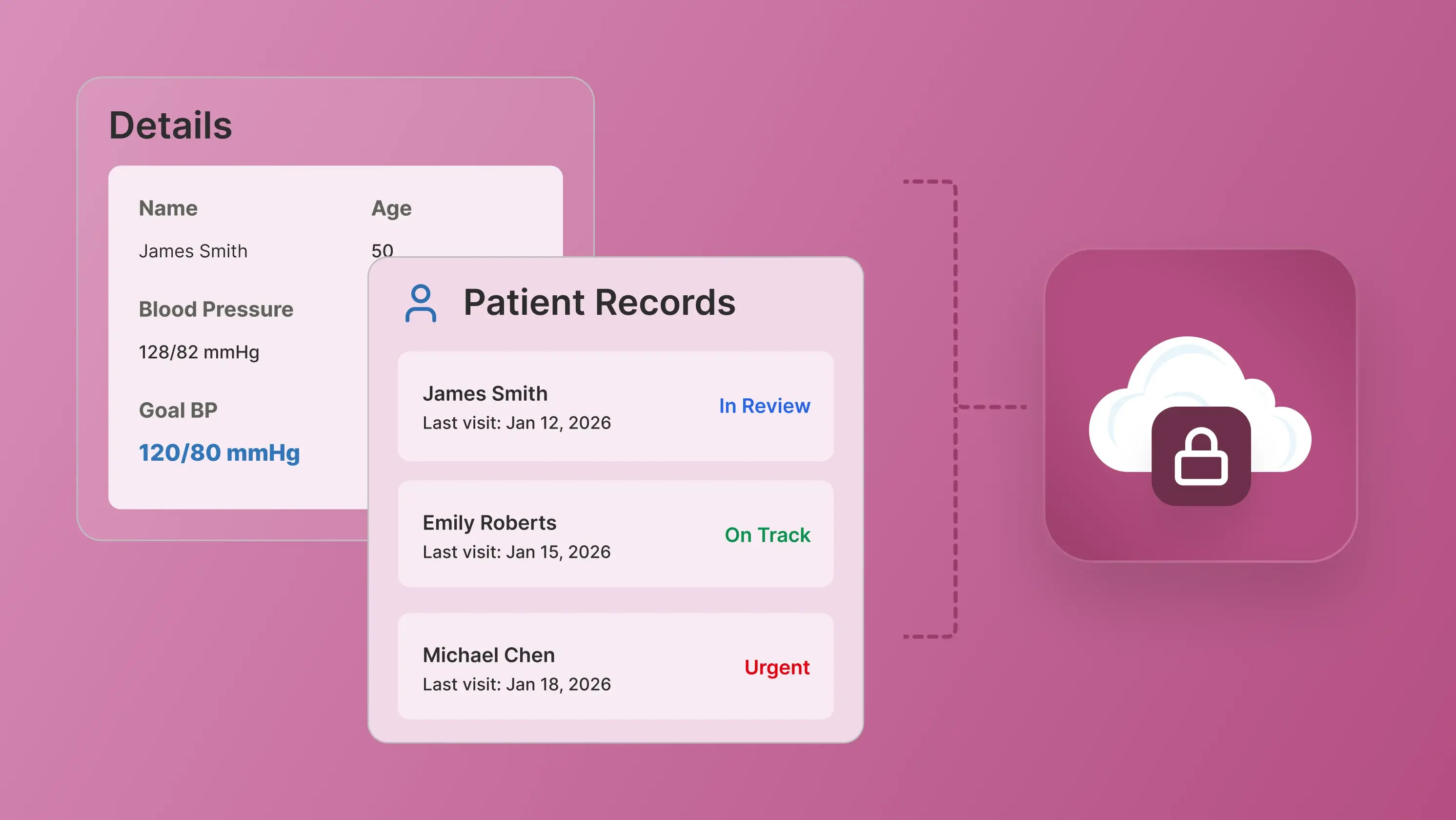
Cloud based electronic health records allow practices to store data on secure remote servers accessible via the Internet. This means healthcare providers merely need an internet connection to access patient information from anywhere, at any time. This software also offers improved security measures.
EHR cloud based systems eliminate physicians’ concerns about the physical security of records because they are already stored on remote servers. Instead, they can focus on implementing security measures such as encryption, firewalls, and two-factor authentication to protect their patients' data.
Enhanced Security in Cloud-Based Healthcare Data Management
Modern cloud-based healthcare data management systems offer features designed to protect sensitive patient information. These include:
- Data encryption
- Firewalls
- Multi-factor authentication
- Automatic backups
- Regular security audits
With patient data stored on secure remote servers, healthcare practices no longer need to rely entirely on physical on-site infrastructure for data protection.
Benefits of Cloud Based EMR Software for Healthcare Practices
Cloud-based EHR software can help practices save money on IT infrastructure costs. Instead of investing in expensive gadgets and hardware to host their EHR system, practices can simply pay a subscription fee to access a cloud-based system.
This also eliminates the need for in-house IT personnel to manage and maintain the EHR system, saving practices even more money in the long run.
Additionally, medical practice management software includes integrated reporting and document management tools that allow healthcare providers to securely print patient data efficiently.
Additional benefits include:
- Lower maintenance costs
- Improved scalability
- Easier software updates
- Faster data sharing
- Better patient care coordination
As technological advancements continue in the healthcare industry, more and more practices will likely switch to cloud-based EHR software shortly.
Benefits of Browser-Based Cloud-Native Practice Management Software for Multi-Location Healthcare Practices
Cloud-based EHR systems are most suitable for multi-location healthcare practices. One of our clients, CareMed Primary and Urgent Care, a multilocation practice, managed its seven multispecialty clinics with our cloud-based PracticeEHR.
Our cloud-based EHR offers the following benefits for multilocation practices:
1. Real-Time Accessibility and Collaboration
One significant benefit of cloud-based EHR software is that it enables physicians to access patient data in real time. Healthcare providers can securely access patient records and update patient information in real time while collaborating with colleagues.
This real-time collaboration ensures that everyone involved in patient care has the most up-to-date and accurate data.
2. Enhanced Data Security
A common misconception about EHR is that they lack reliable security measures like on-premises systems. However, reputable EHR providers implement advanced encryption, authentication protocols, and regular security audits to protect patient data from unauthorized access.
These security measures assure patients that their sensitive information is in safe hands.
3. Efficient Appointment Scheduling and Patient Engagement
Cloud-based EHR software often integrates features for appointment scheduling and patient engagement. Patients of a practice that uses an EHR can schedule appointments online, receive automated reminders, and access their health records through secure patient portals.
This streamlined approach not only saves time for healthcare providers but also enhances the overall patient experience, leading to improved patient satisfaction and engagement.
4. Interoperability and Data Exchange
Interoperability is a significant challenge in healthcare. Cloud-based EHR software addresses this issue by facilitating seamless data exchange between multiple healthcare systems and providers.
Whether patients visit a primary care physician, a specialist, or a hospital, their records can be easily accessed and shared. This interoperability ensures continuity of care, reduces test and procedure duplication, and ultimately leads to more informed decision-making.
5. Cost-Effectiveness and Scalability
Cloud-based EHR software eliminates the need for expensive on-site servers and IT infrastructure. Healthcare practices can opt for subscription-based models, paying only for the services they use. This cost-effective approach makes it accessible even for small practices and clinics.
Additionally, cloud-based solutions offer scalability, allowing practices to easily customize, i.e., upgrade or downgrade their services based on their needs, without the hassle of physical infrastructure adjustments.
6. Data Analytics and Insights
Cloud-based EHR software often comes equipped with advanced analytics tools. These tools can process vast amounts of patient data, generating valuable insights to aid healthcare providers in decision-making, treatment planning, and resource allocation.
By analyzing trends and patterns, providers can proactively address public health concerns, improve patient outcomes, and optimize their practice's operations.
7. Compliance and Regulatory Requirements
Compliance with healthcare regulations is non-negotiable. Cloud-based EHR software providers are well-versed in industry regulations and standards, i.e., HIPAA (Health Insurance Portability and Accountability Act).
They ensure their systems comply with these regulations, relieving healthcare providers of the burden of understanding and implementing them.

Empower Your Practice with a Cloud-Based EHR
As discussed above, cloud-based EHR software is not just a technological advancement but a transformative force in healthcare. By its far-reaching implications, cloud-based systems are positively impacting healthcare providers and patients.
Real-time accessibility, enhanced data security, efficient scheduling, interoperability, cost-effectiveness, data analytics, and compliance assurance are just a few of the benefits it offers.
So, whether you're a solo practitioner, looking for an affordable cloud-based EHR for small clinics, the time to embrace cloud-based EHR software is now. By doing so, you're not just streamlining patient data management; you're shaping a future where healthcare is efficient, effective, and patient-centered.
FAQ

.svg)
