
Key Takeaways
- Telehealth EHR integration improves access to care, enabling patients in underserved areas to connect with healthcare providers remotely.
- Integrated systems streamline clinical workflows and increase efficiency by providing real-time access to patient records.
- Combining EHR and telehealth enhances patient outcomes and satisfaction through informed decision-making and personalized treatment planning.
Telehealth platforms are rapidly proliferating across the healthcare landscape. This widespread adoption of the new practice stems from limited access to care for patients in rural areas. Shockingly, recent data highlights that nearly 80% of rural regions in the United States are categorized as lacking adequate medical services and designated as health professional shortage areas.
To address the grave issue of inaccessibility to healthcare, the US government is shifting its focus to telemedicine-integrated EHR. That’s because AI-powered EHR and telemedicine integration allows patients from inaccessible areas to interact with healthcare providers through a digital telehealth platform. This practice eliminates the need for patients to pay a physical visit to a healthcare provider.
However, telemedicine comes with its unique set of challenges for healthcare practices. Interestingly, integrating EHR software with the telehealth platform is one proven way to mitigate these challenges. Here, we discuss what EHR and telemedicine integration mean and how this innovative approach can benefit a healthcare practice as well as the patients.

Understanding EHR and Telehealth
EHR is basically the electronic version of a patient data chart. EHR refers to digital versions of patients' paper charts containing comprehensive information about their medical history, diagnoses, medications, treatment plans, immunization dates, allergies, radiology images, and laboratory test results. These electronic records are accessible securely by authorized healthcare professionals.
Recently, electronic health records have garnered widespread interest in healthcare setups. That’s because of its ability to streamline administrative tasks and promote optimal patient care. According to statistics, 96% of general acute care hospitals had opted for an EHR system by 2021.
On the other hand, telehealth, also known as telemedicine, involves providing healthcare services remotely through telecommunication technologies. This can include virtual consultations, video conferencing, remote monitoring, and other digital means. Patients can consult healthcare providers from the comfort of their homes, eliminating the need for physical visits to the clinic.
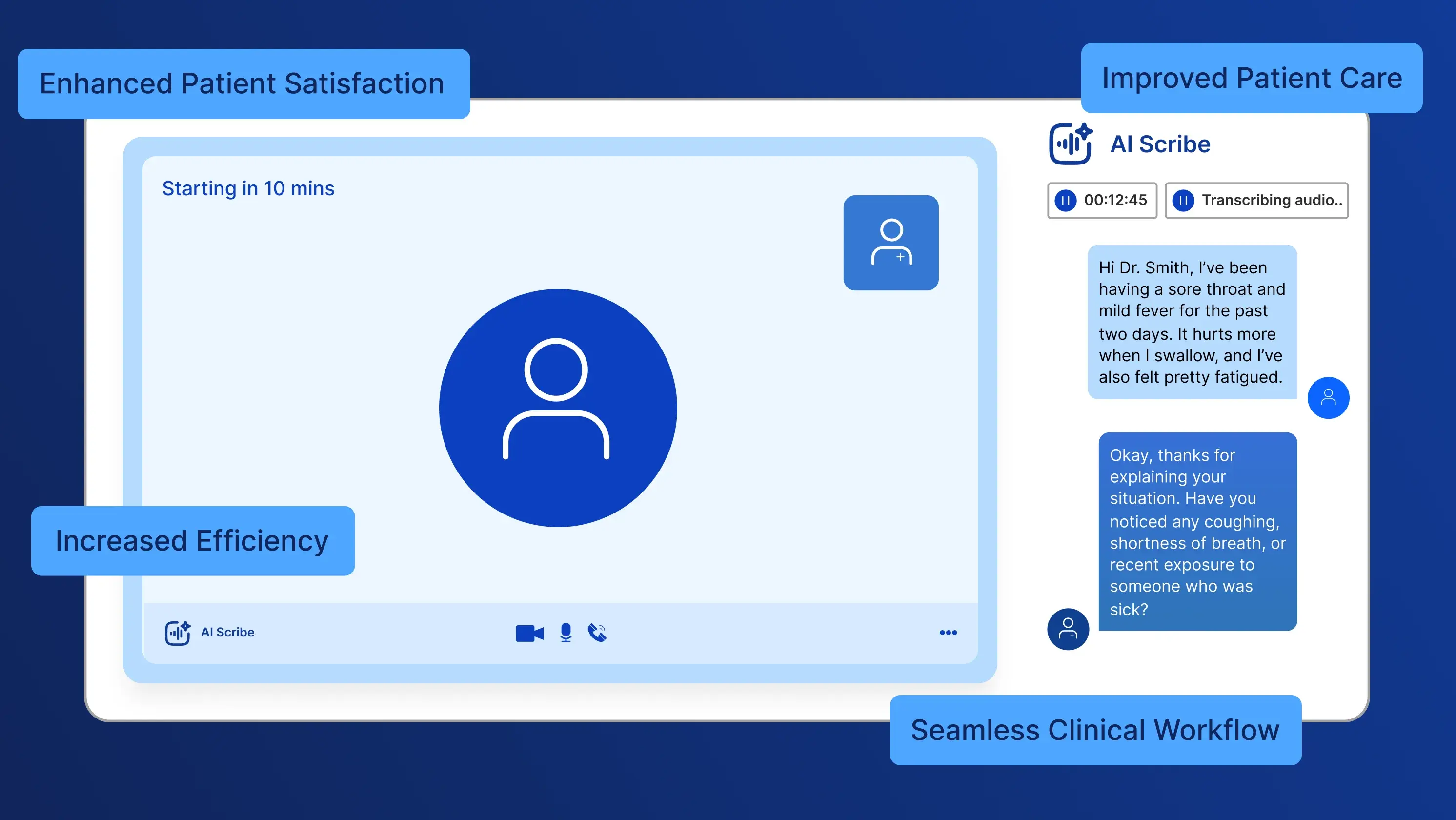
EHR (Electronic Health Record) and telemedicine are two essential components reshaping the landscape of modern healthcare. Telemedicine EHR integration entails connecting these two technologies seamlessly.
It means that healthcare providers can access the patient's electronic health records during a telemedicine consultation in real time. This integration ensures that all necessary patient data is available during the virtual visit. This ultimately ensures informed decision-making and provides a more holistic approach to care. That’s not all! Telehealth EHR platforms offer numerous additional benefits.

Benefits of Integrating EHR Software with Telehealth Platforms
Research supports the narrative that integrating telehealth programs into a practice’s existing EHR system optimizes the advantages of telemedicine. This integration can be done through APIs, interoperability standards like FHIR, and vendor-supported telemedicine modules.
Let’s further explore the benefits of telehealth EHR integration platforms!
1. Increased Efficiency
Integrating EHR with telehealth platforms significantly enhances efficiency in healthcare delivery. This integration eliminates the need for manual data transfer or redundant entries. Thus, there is a significant reduction in administrative burdens and a saving of time for both healthcare providers and patients.
A study evaluated the impact of telemedicine on staff efficiency and concluded that 97% of the staff who participated in the study found it a helpful tool. Moreover, they reported a significant improvement in patient management and patient education using telemedicine platforms. EHR software can help boost efficiency further through its focus on convenient access to patient data.
PracticeEHR offers built-in telemedicine features such as secure video visits, automated scheduling, e-prescribing, and real-time clinical documentation. Such features ensure that consultations are productive and tailored to the individual's needs.
2. Seamless Clinical Workflow
The best way to integrate EHR with telehealth platforms is through a fully interoperable solution, which enables seamless integration with existing systems. This allows telemedicine consultations to be seamlessly incorporated into the existing healthcare processes, aligning with how healthcare professionals operate daily. This integration also ensures a cohesive experience for the care providers and the patients.
When telehealth and EHR are used, patient data is automatically retrieved and available during the virtual visit. Healthcare providers can review medical histories, medication lists, and relevant records without disruption, leading to more informed consultations.
Additionally, integrated EHR and telemedicine systems facilitate easy documentation of the virtual visit. Patient information and interactions can be promptly recorded within the EHR during or after the telemedicine appointment. This documentation contributes to maintaining a comprehensive patient record. This approach also ensures accurate billing and coding for the services provided.
3. Improved Patient Care
Integrating electronic health record software with telemedicine platforms amplifies the achievement of the quadruple aim. This approach results in improved health outcomes, a superior patient experience, reduced costs, and an enhanced experience for healthcare professionals.
A critical aspect of this integration is the quality of health information. Modern telehealth platforms feed patient-reported outcomes directly into EHRs, though interoperability and standardized data exchange remain key challenges. This availability translates into more informed decision-making, personalized treatment plans, and improved patient health outcomes.
Furthermore, the integration enhances the overall patient experience. Patients find connecting with healthcare providers through telemedicine convenient, eliminating barriers like travel and wait times.
Seamlessly accessing their health records during virtual consultations empowers patients to discuss their health actively. This fosters a sense of involvement and understanding of their own care.
4. Reduced Economic Burden
Integrating EHR (Electronic Health Record) software with telehealth platforms holds the potential to significantly reduce the economic burden on patients and the healthcare system.
A compelling study highlighted substantial cost savings for patients utilizing telemedicine. It is estimated that savings are approximately $60–70 per patient per visit. Moreover, the overall program showcased significant cost-effectiveness, with savings ranging from $9,430 to $ 11,170 compared to usual care.
Telemedicine substantially reduces direct and indirect costs for patients. The elimination of travel costs, parking fees, and potential childcare expenses related to in-person visits results in immediate financial relief. Patients can consult with healthcare professionals from their homes. They can ensure quality care without the additional financial strain of traditional in-person visits.
Integrating EHRs in telemedicine reduces costs for healthcare providers and institutions. Streamlined access to electronic health records means fewer redundant tests and procedures, resulting in considerable savings.
Additionally, operational costs linked with managing and storing paper records are drastically reduced, making the healthcare system more economically sustainable in the long run.
5. Enhanced Patient Satisfaction
Integrating Electronic Health Records and telehealth significantly enhances patient satisfaction, a cornerstone of modern healthcare. By merging the efficiency of EHR in workflow management with the accessibility of telemedicine, the overall patient experience improves significantly.
A key aspect contributing to enhanced patient satisfaction is seamless access to medical records during a telehealth consultation. Patients can easily discuss their medical history, concerns, and treatment plans with healthcare providers, promoting a sense of involvement and trust in their care.
Interestingly, patients also consider telehealth platforms as personalized treatment planning platforms, where they consult their physicians for their tailored treatment plans. One-on-one discussions help doctors make effective treatment plans for their patients. Leading EHR systems offer seamless telehealth and treatment-planning capabilities.
Telemedicine EHR is also crucial in offering improved access to specialty care, particularly in rural or underserved areas. Patients can now consult with specialists without the need to travel long distances, leading to increased satisfaction with the healthcare system.
Practice EHR - ONE With Seamless Telehealth Integration!
Practice EHR offers telehealth EHR integration for unparalleled EHR services and a seamless TeleVisit experience. Additionally, healthcare providers can effortlessly communicate with patients through the integrated patient portal.
Patients can use this portal from Practice EHR to send and receive messages, request appointments, pay bills, and much more. Practice EHR ensures hassle-free onboarding and 24/7 customer support at every step of the process.

.svg)
